
NU City Council approves residential rezone for N. Highland property
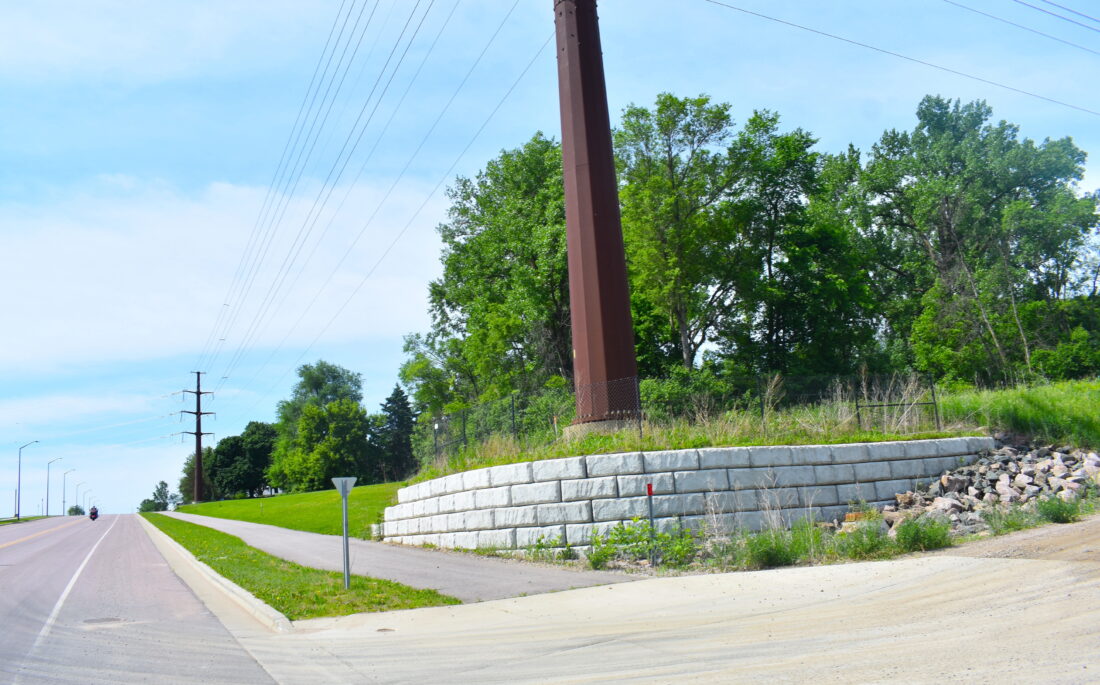
The transmission pole marks the corner of a property at 2405 N. Highland Avenue that was approved for a rezone by the New Ulm City Council on Tuesday. The 1.9 acre parcel was rezone from agricultural open space to a medium-density residential district. Photo by Clay Schuldt
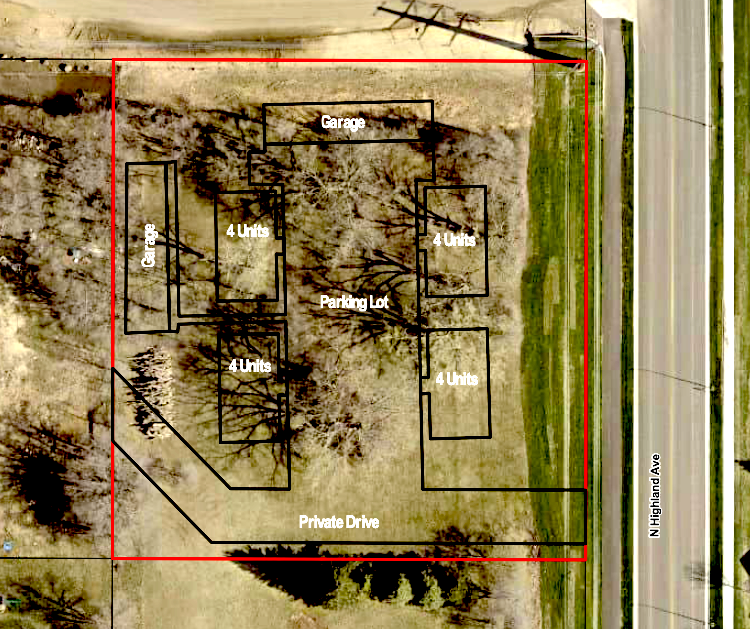
The overhead map shows an outline of the proposed residential development for the property at 2405 N. Highland. The New Ulm City Council approved rezoning the property from agricultural open space to medium density residential during Tuesday’s council meeting. Submitted photo
The transmission pole marks the corner of a property at 2405 N. Highland Avenue that was approved for a rezone by the New Ulm City Council on Tuesday. The 1.9 acre parcel was rezone from agricultural open space to a medium-density residential district. Photo by Clay Schuldt
The overhead map shows an outline of the proposed residential development for the property at 2405 N. Highland. The New Ulm City Council approved rezoning the property from agricultural open space to medium density residential during Tuesday’s council meeting. Submitted photo
Trending
NEW ULM – A petition to rezone land on North Highland Avenue was approved the New Ulm City Council on Tuesday.
The rezone will change a 1.9-acre agricultural open space at 2405 N. Highland Avenue to a medium-density residential district. The request to rezone came from Adam and Shana Wels. The land is located in the Wels Subdivision and the rezone would allow the construction of four building, each with four dwellings for a potential 16 residential dwellings. The proposed development would also create a private driving lane that would be accessible from North Highland Avenue.
The New Ulm Planning Commission reviewed the rezone petition during a Thursday, May 28 meeting and unanimously recommended approval. The property was already designated medium-density residential in New Ulm's Comprehensive Plan. In addition, the property currently abuts other medium and high-density residential properties.
City Planner John Knisley said though the planning commission believed the property met the criteria for rezoning, there were several neighbors who opposed rezoning the property to a medium density district.
There was concern that higher residential density would increase traffic and create safety issues, specifically with the pedestrian bike path parallel to North Highland Avenue at this location.
Knisley said staff had consulted with the city engineer and county highway engineer about access to this private lane onto Highland Avenue, but neither had any concerns about the access.
Knisley said new signage would be required if a private lane crossed the bike path. In addition, there would be further review of the development project before it could be approved.
City Councilor Eric Warmka said he was contacted by several neighbors in this community and safety was the top concern.
"This has the potential to have 32 adults living in this quadrant," Warmka said. "I am concerned about safety as well. It is a lot of foot traffic on that bike path and I do want to make sure it is very open, very clear and very safe."
Knisley said during the building permit application project, the city engineer will review sight lines to make safety measures are put in place. The project will also get a second look from the county highway engineer.
Mayor Kathleen Backer had similar safety concerns, but believed city staff was taking the proper precautions.
"I like the fact that it is reviewed again by city staff, by engineering and then goes to the county," she said.
Councilor Larry Mack asked if the driveway entering the development be moved to the gravel pit road that runs along the eastern edge of the property instead of creating a new driveway across the bike trail onto Highland.
Knisley said they could ask the developers to consider that option when reviewing the building permit application, but this would require an agreement with the neighboring property. The gravel pit road is not public.
Christian said he understood the concerns from the neighboring property owners, but reminded the council that the property was already surrounded by medium and high-density residential zone areas. This included land directly across Highland Avenue next to the Vista Prairie Ridgeway Senior Living Center.
"Ridgeway could come in today and build new units and it wouldn't even come before the council," Christian said.
Councilor Mack, who also sits on the planning commission, said the commission found the property met the criteria for rezoning and it would be difficult to justify denying it the rezone.
Councilor Tom Schmitz said he believed the development was appropriate for the area and that the council should move forward with the approval. Schmitz said there would be further opportunities to review safety issues during the development process.
Council President Andrea Boettger said the development project require further review, but the council was only being asked to rezone the land from open agricultural space to medium residential density.
Schmitz made the motion to approve the rezoning with a second from Mack. It was unanimously approved by the council.
The city will need to draft and pass a zoning ordinance that will require two readings by the council before final approval.