Housing study shows New Ulm has needs across the board

The 2022 Comprehensive Housing Needs Analysis was completed and presented to the New Ulm Economic Development Authority Tuesday. The study indicated a rental property was extremely limited Housing projects, like the Dreamville New Ulm project starting at Maplewood Drive 1425-1625 were needed to alleviate the pent-up housing demand.
NEW ULM — The latest housing study is in and New Ulm has a greater need for housing across the board.
The New Ulm Economic Development Authority (EDA) received the 2022 Comprehensive Housing Needs Analysis conducted by Maxfield Research & Consulting.
Matt Mullins and Brian Smith with Maxfield Research provided an overview of their findings. The full analysis will be available by the end of the month. The EDA received a detailed breakdown of why New Ulm is in a housing crisis. Maxfield Research & Consulting provided several key findings from the analysis.
In terms of population growth, New Ulm has seen moderate growth in the last decade with 600 people. This included a 5% increase in households (around 300 households). It is projected New Ulm will see continual growth in population and households through 2030. This growth is limited by housing availability.
The report showed New Ulm is a job importer with nearly 6,000 people commuting to New Ulm for work. These commuters are an opportunity to draw new households into town, but due to a lack of available housing, commuters are forced to look elsewhere.
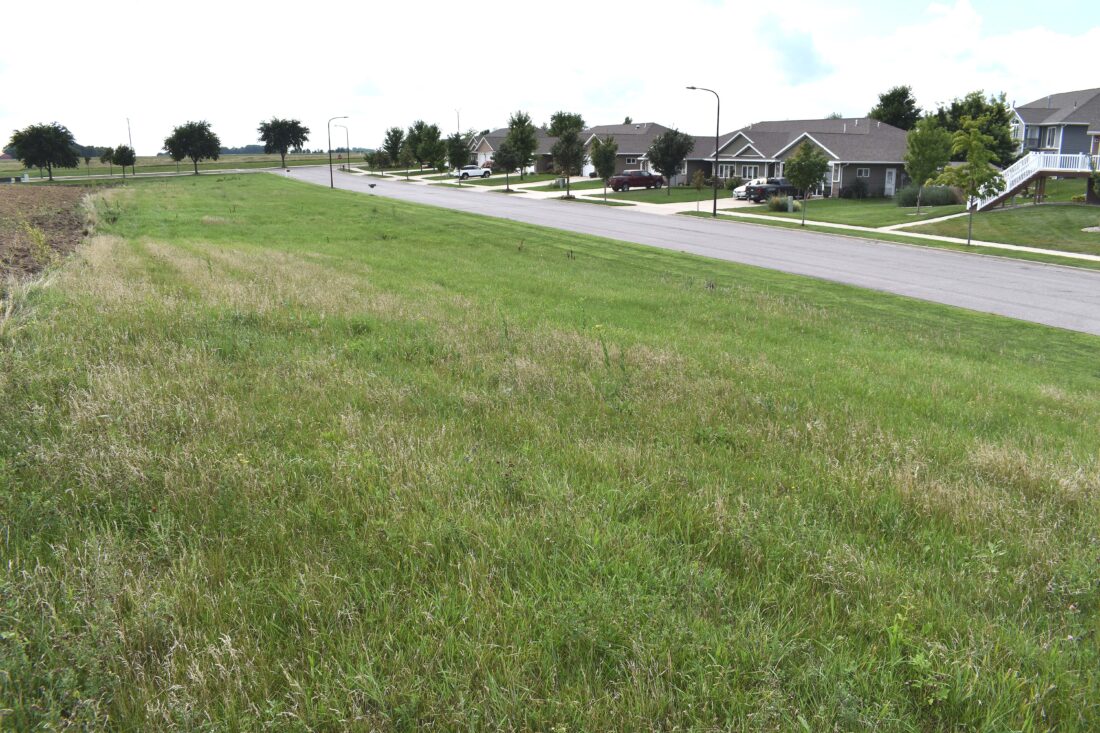
Staff photo by Clay Schuldt The 2022 Comprehensive Housing Needs Analysis was completed and presented to the New Ulm Economic Development Authority Tuesday. The study indicated a rental property was extremely limited Housing projects, like the Dreamville New Ulm project starting at Maplewood Drive 1425-1625 were needed to alleviate the pent-up housing demand.
The lack of housing includes rental property. The rental vacancy rate is less than 1% across all income levels. This also prevents the workforce from moving into the community.
The demand in for-sale housing through 2030 was calculated for nearly 200 units. The strongest need is for additional rental housing; both market rate and shallow-subsidy affordable units.
The two age demographics impacting housing are the Baby Boomers and older Millenials. The Baby Boomer generation (ages 58 to 76) represents the majority of New Ulm’s population. The senior population will continue to grow significantly over the next five years and will want alternative housing products — for sale and rent. There is also a modest growth in older Millenials (ages 35 to 44) that are seeking homeownership opportunities.
New housing construction continues to be slow with an average of 21 homes being built annually.
New Ulm does have an adequate lot representation, with 157 vacant buildable lots. However, these lots are built to suit the needs.
Homes under $250,000 are difficult to construct; meaning new homes cater to high-end buyers. Entry-level homes are serviced by existing housing stock.
Following the presentation, EDA Chairman Daniel Braam asked how New Ulm compared to its regional peers.
Mullins said the lot supply in New Ulm was unusually high. He said many communities do not have vacant land to build upon, which is a benefit for the community.
However, New Ulm also has extremely limited rental housing for a community its size. Mullins said it was not unusual to see over 30 rental communities in a town of New Ulm’s size. He said the good news was New Ulm has a rental housing project in the works. Hope Housing Foundation is developing the Dreamville New Ulm residential project that will include two 48-unit apartment buildings.
The EDA board agreed to review the housing analysis and prioritize an action plan for the community. A work session will be scheduled following next month’s EDA meeting to discuss the study.
—
The EDA approved a Get It Ready Loan to Jon and Heather Bregel for $10,000. This loan program is offered to single-family residences through the EDA. The program was designed to rehabilitate properties by correcting code violations, potential code violations, or unsafe living conditions. Applicants can apply for up to $40,000 in loan funds with a 2% interest rate paid over a 10-year term.
This Get It Ready Loan was approved by the EDA, but the board did discuss a need for transparency in this approval since Heather Bregel is an employee of the city and works directly with the loan program.
City Manager Chris Dalton said normally this loan approval would not come before the EDA board for approval and could be handled internally by staff, but because of Bregel’s direct connection to the program, board approval was required.
Dalton said Bregel and her husband met all the requirements to receive the loans and their credit was in good standing. He recommended approving the $10,000 loan.
Dalton confirmed there was no rule barring a city employee from applying for this loan.
EDA board member and city councilor Les Schultz asked if there should be a rule barring a city employee from applying for this loan.
Board member and City Council President Andrea Boettger said since the loan money was public funds, she felt it would be discriminating against city staff to not allow them to apply.
Dalton said the funds for the Get It Ready Loan program were first come, first serve and open to everyone. He repeated that the Bregels met the criteria.
Schultz said he had no problem with whether Bregel met the criteria, but question the optics of how it would look to approve this application. He said if half the EDA board were to apply for this loan, it wouldn’t look good.
“If you need to fix your house, you need to fix your house,” Dalton said.
EDA Board Chairman Dan Braam agreed that Bregel’s application was fair. He said “I think the underlying reasoning behind this program was to preserve and keep our existing housing stock in good order. We wanted to help facilitate that. I think their home would fall under those criteria like any other home.”
Braam felt that if an EDA member applied for the loan there could be an ethical concern since they are voting members, but Bregel does not get a vote or have a say in whether the loan is approved.
“I think these are the absolute right steps to take,” Braam said.
Dalton said the city attorney had no issue with this approval because the program has no restrictions for city employees. At the same time, it was felt the board should acknowledge a city employee was receiving the loan from the board for transparency.
Dalton added that if the board wanted to restrict city employees from applying for the loan, they could look into that.
Braam said his daughter had applied for a small business incentive grant to start a daycare. He had no direct involvement with the approval, it was handled by city staff. He believed the ethical concerns were mitigated as long as the beneficiary had no direct influence over the decision.
“Transparency is obviously the key,” Schultz said. “I just wanted to make sure we talked about it.”
Bregel commented that she applied for the loan because there were enough funds available this year. If the Get It Ready loan program had fewer funds, she would not have applied. She limited the application to $10,000 instead of $40,000 for this reason.
Bregel said there was still plenty of money in this program available for anyone else willing to apply for it.
Braam said this might be a way to raise awareness for the loan program.
Board unanimously approved the loan application.
-
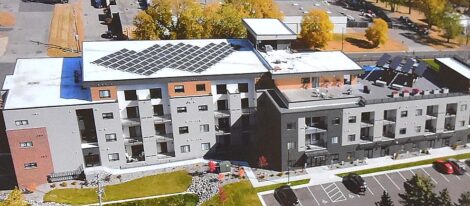
- The 2022 Comprehensive Housing Needs Analysis was completed and presented to the New Ulm Economic Development Authority Tuesday. The study indicated a rental property was extremely limited Housing projects, like the Dreamville New Ulm project starting at Maplewood Drive 1425-1625 were needed to alleviate the pent-up housing demand.
-
- Staff photo by Clay Schuldt The 2022 Comprehensive Housing Needs Analysis was completed and presented to the New Ulm Economic Development Authority Tuesday. The study indicated a rental property was extremely limited Housing projects, like the Dreamville New Ulm project starting at Maplewood Drive 1425-1625 were needed to alleviate the pent-up housing demand.
Local News
What do you like most about Flandrau State Park?
Susan Dalsgaard, Springfield: “Driving down in the park entrance, seeing the park in all its beauty.” Sofia ...

Running, walking to support rural healthcare

Concord Singers open New Ulm’s Music in the Park

John Kellen brings ‘Water is Life’ exhibition to Twin Cities

Flandrau swim pond reopens