Program teaches how pollinator habitat promotes ecology
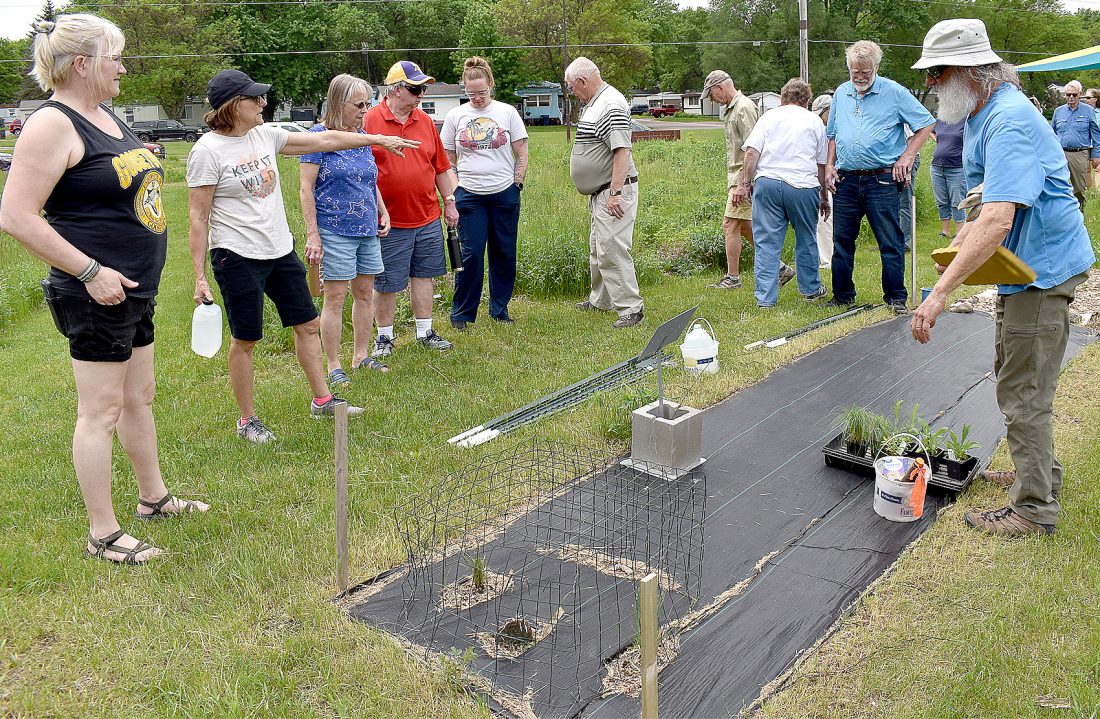
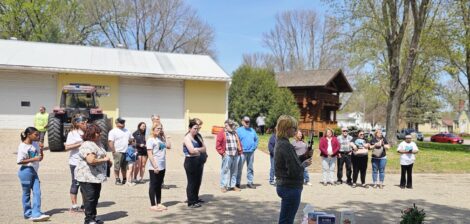
Staff photo by Clay Schuldt A special pollinator planting program was held in the Pollinator Park Sunday. Joe Gardener (right) demonstrates a simple way of preparing the soil before planting native pollinator species.
-
- Staff photo by Clay Schuldt A special pollinator planting program was held in the Pollinator Park Sunday. Joe Gardener (right) demonstrates a simple way of preparing the soil before planting native pollinator species.
-
- Staff photo by Clay Schuldt Pollinator Park volunteer Deb Steinberg points out features of the north side Pollinator Park Sunday.
The program was led by Deb Steinberg and Joe Gardener. The program showed individuals how to plant pollinators in a variety of spaces from a small pot to a garden and a large field.
Steinberg said they wanted to stress that anyone could plant pollinators even people without very much land or who rent.
The program focused on preparing the soil. Steinberg said it can be difficult to dig up soil for planting, but a few methods were demonstrated including using mulch and cardboard. If materials are set up during the winter, the ground can be ready for spring planting.
Everyone attending the program was given a native plant listing of the best pollinator plants for our area and demonstrate how to plant your pollinator seeds and plants. Free pollinator seeds were given out to participants.
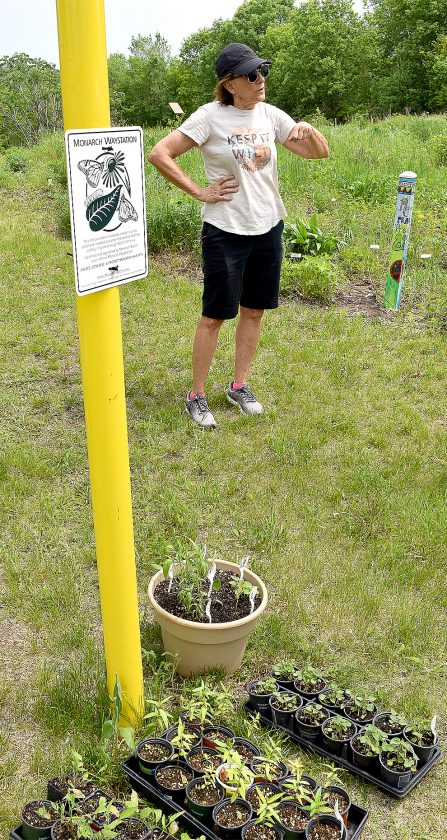
Staff photo by Clay Schuldt Pollinator Park volunteer Deb Steinberg points out features of the north side Pollinator Park Sunday.
In 2015, Steinberg and others have worked to bring pollinating plants to New Ulm. The North Broadway Park was designated a pollinator park in 2015.
A year later, a group of citizens began a planting project to convert North Broadway into a pollinator park. In the five years since, the importance of pollinators has caught on in the region.
“It is really catching on,” Steinberg said. “In the end, pollinators help humans too.”
The pollinator plants help feed and grow pollinating species like bees and butterflies. These pollinators are needed to help spread pollen that grows local food.
Another benefit of native pollinating plants is they are drought resistant and can grow extensive root systems. Some of the native pollinators can have roots grow 12 feet below the surface. This is especially helpful and preventing erosion.
More communities are starting to understand the importance of pollinators. Other communities have taken an interest in New Ulm’s pollinator park. Individuals from Fairbault will be visiting the pollinator park on June 25.
Recently, there has been a push to have New Ulm designated as a pollinator city. The New Ulm Park and Recreation Commission recommended a resolution earlier this month to declare the city a pollinator-friendly city. The resolution stated New Ulm is dedicated to promoting and maintaining a healthy urban and natural environment and identified pollinating insects as integral to a healthy ecosystem.
Local News
NU Garden Club host speaker from Ribizli Seed Company
NEW ULM - The New Ulm Garden Club will meet at 6:30 p.m. Wednesday, May 6 at the New ulm airport. The guest ...
‘A space for learning, remembering, grieving and hoping’
All the fun of Churchill Downs in Goosetown

SEU keeps control of Tomahawk-Valley tourney

Cathedral hosts Glitz & Gamble Prom Night