Wildlife population control in today’s society
Wildlife predator control is not just a rural issue. Land damage and predators cost all taxpayers money.
To understand the need for predator control and the processes of controlling predators, the Minnesota Trappers Association, Yotes-to-Coats Tannery, and Fischer Predator Control Center will have booths at this year’s Farm Show.
The Minnesota Trappers Association has been in existence since 1959. It’s 2,578 members focus of teaching youth–and beginners of any age–to enjoy the outdoors through hunting, fishing, and trapping.
In 1989, MTA entered into an agreement with the Minnesota Department of Natural Resources to certify youth for trapping. Each participant goes through two phases of the program. Part one is a nine-chapter book test and part two requires six to nine hours of field training by a certified instructor. Upon successful completion, participants are allowed to purchase trapping licenses. Since the program began, over 5,000 kids have been certified. To learn more, go to https://mntrappers.org.
MTA’s presence is becoming more evident around the area. It has volunteers at fairs, seminars, youth events, and other outdoor like-minded programs.
At this year’s Farm Show, visitors will have the opportunity to identify wildlife native to Minnesota, ask questions, and be educated on the important role wildlife predator control plays in our community.
Yotes-to-Coats is new to the industry as a fur processing company. It is right in our own back yard, based in rural Nicollet. The family-run business serves all levels–from taxidermists, hunters, and trappers to hobbyists.
Fischer Predator Control Center has served Courtland and the surround communities for the past two decades, removing wildlife predators and providing conservation damage control.
Stop by the booths at this year’s Farm Show to learn more.
• • •
Trapping and hunting are important in today’s society for several reasons.
Population control must be regulated to protect human activities. Bears destroy beehives; coyotes kill livestock; wolves prey on young moose and deer that local people depend on for food and income; raccoons raid cornfields; hungry deer and elk ravage winter-stored hay; fox, mink, and weasels have a taste for domestic poultry; and beavers create dams that can flood farmland and roadways.
Wildlife can harbor disease. Proper animal management has proven to be one of the best ways to keep animal diseases in check. Household pets are susceptible to rabies, distemper, heartworm, parvovirus, leptospirosis, and mange–all of which can be acquired from infectious furbearing animals as a direct result of overpopulation. Animals suffer from diseases and may take weeks to expire.
Fur harvesting is a renewable resource. Canada and the United States, among other countries, are fortunate to still have vast undeveloped lands and plentiful wildlife. The surplus produced by most wildlife species each year represents value to people and related businesses. Today fur is used to trim cuffs, collars, hoods, and hats and an increase of hobbyist needs. Cabela’s and other outdoor chain stores need pelts to educate people about animals that dwell among us.
Urban challenges and interaction are in the news, among them coyotes in back yards and predators targeting livestock and household pets. These and other issues can be costly to every taxpayer. If unchecked, these situations can lead to more severe outcomes. At the state and county levels, nuisance-controlling businesses are hired to remove these urban threats.
Conservation of prairies and helping habitat flourish is huge for our area. Duck hunting is making a comeback. The golden feathers of a pheasant sunbathing are more prevalent. Song birds of recreation are increasing in popularity. Removing egg robbers has been an important part of bringing more wildlife back to the area for everyone to enjoy.
Special Sections
CRC, UFC members OK plan to merge
The Backerei & Coffee Shop continues tradition while growing for the future
NEW ULM — The Backerei & Coffee Shop has long been a fixture in downtown New Ulm, known for its fresh breads, ...
Tech Unlimited expands services, plans future interactive spaces
FUSION BAR & GRILL
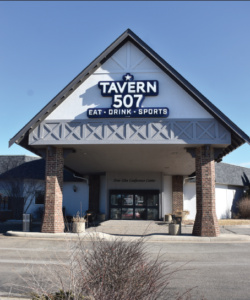
Tavern 507 continues to expand menu