
The fur trade laid the groundwork for American expansion
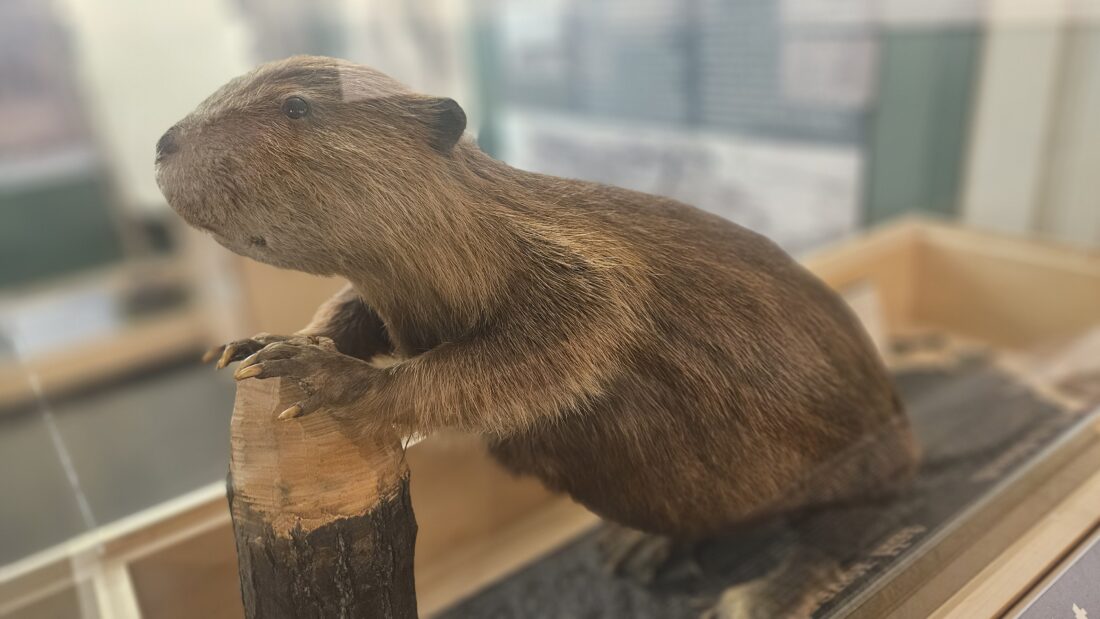
A stuffed North American beaver on display at the Brown County Museum. A demand for beaver fur brought the first Europeans to the Minnesota River Valley, who created the groundwork for settling communities like New Ulm.
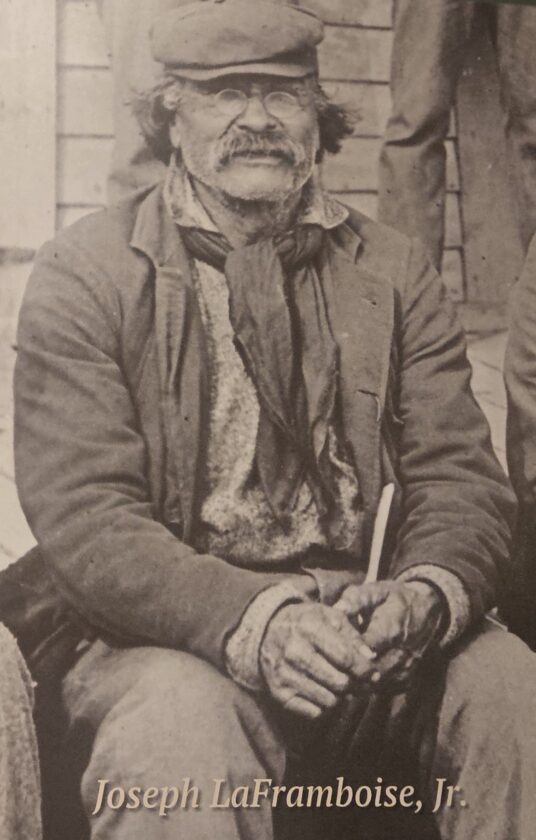
Joseph LaFramboise, Jr. was a fur trader who operated out of the Minnesota River Valley between 1820 and 1856. LaFramboise served as an interpreter for the Sioux and Chippewa Treaty negations in 1837. In 1851, he also served as the interpreter for the Traverse des Sioux Treaty. He would also have a hand in helping picking the sight for the community of New Ulm, suggesting it be located at the confluence of the Minnesota and Cottonwood Rivers. Photo provided by BCHS museum
A stuffed North American beaver on display at the Brown County Museum. A demand for beaver fur brought the first Europeans to the Minnesota River Valley, who created the groundwork for settling communities like New Ulm.
Joseph LaFramboise, Jr. was a fur trader who operated out of the Minnesota River Valley between 1820 and 1856. LaFramboise served as an interpreter for the Sioux and Chippewa Treaty negations in 1837. In 1851, he also served as the interpreter for the Traverse des Sioux Treaty. He would also have a hand in helping picking the sight for the community of New Ulm, suggesting it be located at the confluence of the Minnesota and Cottonwood Rivers. Photo provided by BCHS museum
Trending
NEW ULM - At the time of the American Revolution, the United States consisted of 13 colonies located along the eastern cost of North American, but Europeans had already begun expanding further west as early as the 1600s. Some of this expansion was related to exploration, but for others it was economic incentive. Many of the first white visitors to what would come to the midwest were fur traders and many of the communities across Minnesota began as trading outposts.
The fur trading business in North America predated the founding of the United States by over century. The first fur traders arrived on the continent by 1500 and began moving to the continents interior.
Fashion was major driver of the fur trade. By the 1600s, the beaver hat became a symbol of wealth and status among wealth Europeans and Americans. However, the beaver was nearly extinct in Europe, spurring greater hunting and trapping of the North American beaver.
One of the most influential families in the fur trade was the LaFramboise family.
The LaFramboise family came to North America from France and immigrated to Canada in 1637. By the early 1800s, the family had become heavily involved in the fur trade, having moved into Michigan following the St. Lawrence River.
Joseph and Madeleine LaFramboise worked together in the fur trade until 1806 when Joseph was murdered leaving Madeline a window with two kids to raise. Her son Joseph LaFramboise, Jr. was only a year old when his father was killed. Madeleine took over the fur trading business herself and proved to be a great businesswoman.
A successful fur trader could make $1,000 a year. She made $5,000 a year. Madeline LaFramboise is often cited as the first business woman in Michigan.
Madeline LaFramboise was so successful because she was operating in territory that belonged to her family. She was also able to speak multiple Native American languages including French and English.
Her son Joseph LaFramboise, Jr. followed in the fur trading business, moving to the Minnesota River Valley in 1820. By 1839, he became the owner of Little Rock trading post, which was located in Nicollet County near the Minnesota River near the confluence with the Cottonwood River.
Like, his mother Joseph LaFramboise, Jr. could speak multiple languages and his services became vital during negotiations between settlers and Native American tribes. He served as an interpreter for the Sioux and Chippewa Treaty negations in 1837. In 1851, he also served as the interpreter for the Traverse des Sioux Treaty.
LaFramboise was still operating a trading post near the confluence of the Minnesota River and Cottonwood when members of the Chicago Land Company visited the area with plans on establishing a new German settlement.
LaFramboise served as an advisor of the group and he suggested creating the settlement near the Little Rock trading post and the confluence of the two rivers. The settlement would eventually grow into the community of New Ulm, which was founded in 1854. LaFramboise would only live a few more years after New Ulm founded, dying in 1856. He is buried in the Fort Ridgely Cemetery.
At the time of LaFramboise death, the fur trading industry was already vanishing due to changes in fashion. By 1850, the beaver hat was being replaced by the silk hats. The influx of new settlers from the east led to a dramatic change in what could be sold.
By 1848, fur traders like LaFramboise had begun selling and trading items needed by settlers, such as gardening and farming equipment.
The fur trader may have led the initial exploration of North America, but they also had a hand in helping settle the country.