
Investing in Minnesota music history
MMHF share stories of Mankato’s musical heritage
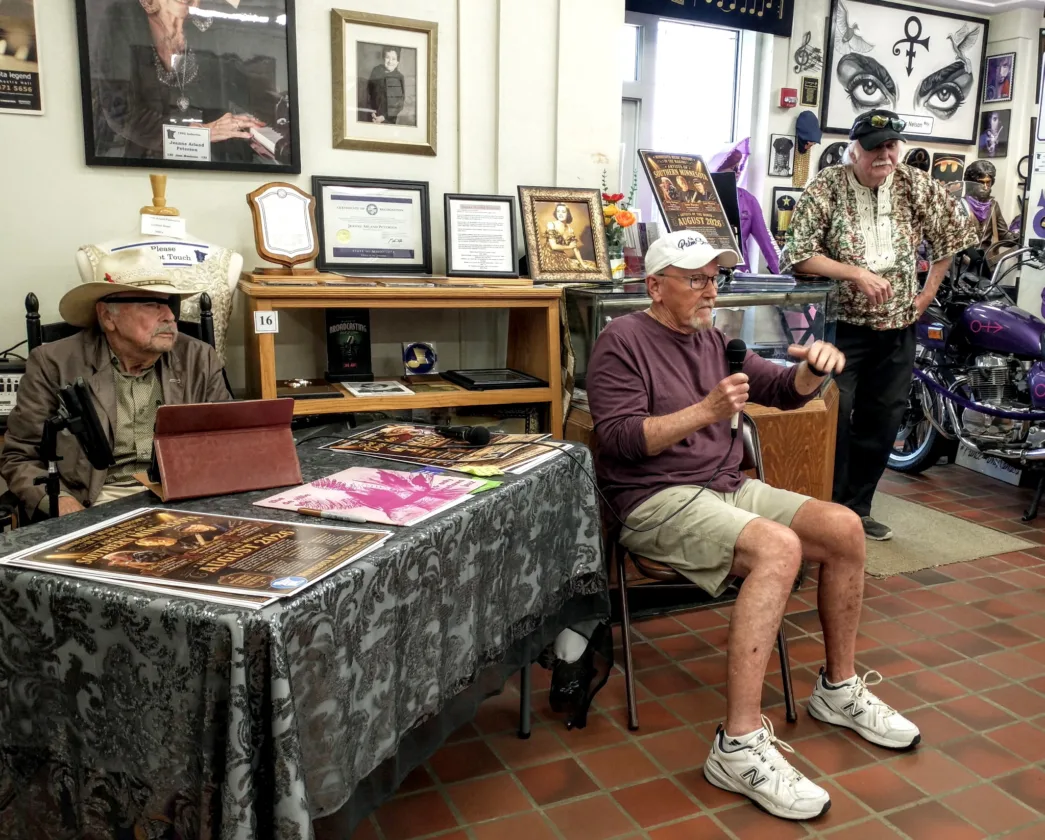
From left, Bobby Drengler, Dale Menten, and Minnesota Music Hall of Fame board member Neal Bond discuss regional music history and recording studio stories during a special presentation in New Ulm. — Photo by Joel King
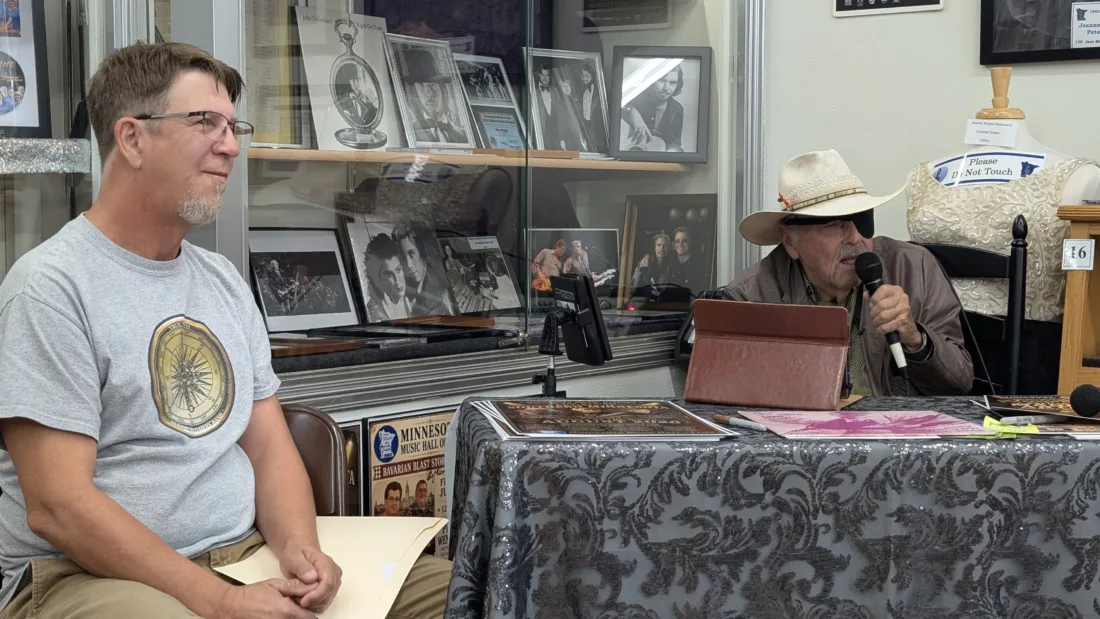
Murphy Brothers Band drummer Jay Flugum listens as City Mouse founder Bobby Drengler details Mankato's early rock and roll history during a presentation at the Minnesota Music Hall of Fame. — Photo by Amy Zents
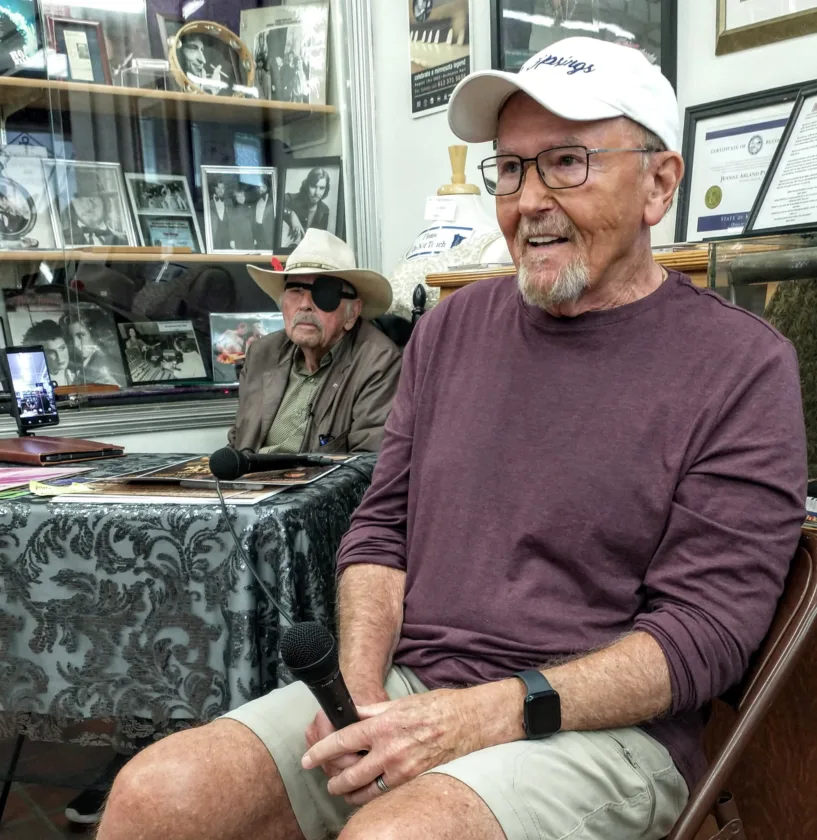
Songwriter Dale Menten of The Gestures shares stories of the band's 1964 hit "Run Run Run" during a panel at the Minnesota Music Hall of Fame in New Ulm, while City Mouse co-founder Bobby Drengler (left) looks on. — Photo by Joel King
From left, Bobby Drengler, Dale Menten, and Minnesota Music Hall of Fame board member Neal Bond discuss regional music history and recording studio stories during a special presentation in New Ulm. — Photo by Joel King
Murphy Brothers Band drummer Jay Flugum listens as City Mouse founder Bobby Drengler details Mankato's early rock and roll history during a presentation at the Minnesota Music Hall of Fame. — Photo by Amy Zents
Songwriter Dale Menten of The Gestures shares stories of the band's 1964 hit "Run Run Run" during a panel at the Minnesota Music Hall of Fame in New Ulm, while City Mouse co-founder Bobby Drengler (left) looks on. — Photo by Joel King
Trending
NEW ULM - Thursday, Minnesota Music Hall of Fame (MMHF) in New Ulm gathered regional musicians, music historians, and local fans to honor Mankato's rich and storied musical heritage.
The event brought together performers, songwriters, and studio innovators who shaped the sound of southern Minnesota across multiple generations, offering attendees a rare glimpse into the region's deep impact on regional and national music history.
Host and board member Neal Bond opened the morning presentation by welcoming the crowd, introducing guest speakers, and highlighting the Hall's ongoing mission to archive and celebrate Minnesota's musical pioneers. Bond emphasized the critical role community support plays in keeping the non-profit museum thriving and maintaining its historical exhibits.
“[It is]an investment that you’re making in preserving Minnesota history,” Bond told the audience during his opening remarks, encouraging attendees to support the organization’s preservation efforts by signing up for annual memberships. Bond said that member support directly funds museum operations, digital archives, and educational programming throughout the year.
Bobby Drengler, founder of the long-running rock group City Mouse, led off the historical overview by tracing Mankato's musical lineage across the decades. Drengler walked the audience through the area's rich evolution, beginning with early 20th-century classical icons such as international opera singer Florence Macbeth, who performed with the Chicago Symphony and toured extensively overseas, before moving into the vibrant big-band ballroom era of the mid-1900s led by orchestra leader Terry Powell.
Drengler recalled how Powell hired him and bandmate Jim McGuire for their very first paid rock and roll gig, giving them a short slot to play rock songs during a ballroom dance event. That opportunity bridged the gap between traditional big-band dance halls and the rising wave of 1960s rock and roll in southern Minnesota. Reflecting on the area’s deep artistic roots and his gratitude for remaining active in the scene, Drengler added, “Mankato music history and boy, do we ever have a music history in Mankato Minnesota. I am thankful for being alive today, so I can enjoy it and still enjoying it.”
Jay Flugum, drummer for the Murphy Brothers Band, delivered a moving tribute to the late Steve Murphy, who was inducted into the Minnesota Music Hall of Fame in 2014 and passed away in December 2020. Flugum reflected on the band's impressive 46-year history of continuous touring across the Midwest, sharing stage lineups over the decades with major national acts including Cheap Trick, Bob Seger, Eddie Money, and Crow.
Flugum spoke candidly about the profound bond shared among the band members during their weekly Wednesday night rehearsals in Steve and Bonnie Murphy's basement, describing how that personal connection translated directly onto the concert stage. “To have that brotherhood, that camaraderie, that fellowship with your bandmates, it’s something truly special when you all click personally,” Flugum shared with the crowd. “And then you are on stage and you get to share that chemistry, there is nothing like it.”
Songwriter and guitarist Dale Menten of The Gestures detailed the whirlwind national success of the band’s 1964 hit single “Run, Run, Run.” Menten shared humorous anecdotes about the band's early days starting out in North Mankato under Minneapolis-based Soma Records, navigating chaotic Midwest tours, and scoring major airplay in top radio markets like Los Angeles, New York, and Oklahoma City despite regional record distribution hurdles.
Menten also detailed his subsequent projects, including teaming up with veteran keyboardist and saxophonist Larry Hofman to record under United Artists, writing the ambitious 1969 Civil War concept album and rock opera The House of Leather with Blackwood Apology, composing award-winning commercial jingles for major national brands such as Dairy Queen, and scoring Sam Elliott's debut feature film, Lifeguard.
Reflecting on his transition from live performance to audio engineering and songwriting, Menten remarked, “What I love about the business is the illusion of music which is recording. The reality is on a stage, playing for a bunch of people, (in the studio) I could always do take five, let’s do take twenty six.”
In addition to the featured speakers, Mankato music historian Greg Duffy was recognized alongside notable area musicians in attendance, including Brian Jentges, a Hall of Fame inductee and former drummer for Joey Molland’s Badfinger as well as the legendary Shaw Band. Duffy was acknowledged for his ongoing work archiving historical regional artifacts, maintaining an extensive basement display of Mankato music history, and organizing landmark community events--including the Gestures’ 50th anniversary reunion show at the historic Kato Ballroom.
The morning event concluded with a community luncheon and archival video screenings documenting famous Minneapolis recording spaces, including anecdotes from Cookhouse Studios, giving local fans and veteran musicians a chance to reminisce and celebrate the enduring sound of southern Minnesota.