
Wage settlements, health costs rise for Greater MN cities
Trending
NEW ULM -- City leaders from across Greater Minnesota got an update on rising labor costs and new employment rules Friday.
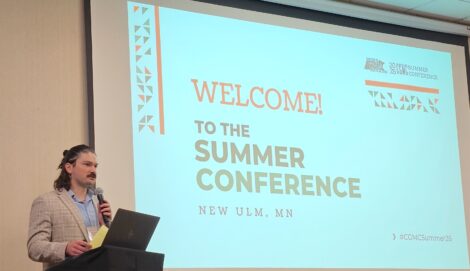
The briefing took place at the 2026 Coalition of Greater Minnesota Cities conference at the Best Western Plus in New Ulm.
Nicholas K.C. Garcia Lisle, a senior attorney with Flaherty & Hood and advisor to the CGMC Labor Relations Committee, gave the presentation.
Wages are going up according to recent reports.
For 2026, 96 cities reported an average pay increase of 4.4%. Ninety-four percent of those cities settled at 3% or higher.
Garcia Lisle said some of the numbers mix regular cost-of-living raises with extra market adjustments.
That is why the middle number (the median) can sometimes give a clearer picture than the average.
Interest arbitration awards for 2026 averaged 3.89%. These numbers matter most for police and other essential workers. Cities that offer less than about 3% often have a hard time in talks or before an arbitrator.
Health insurance costs are also climbing.
Some cities saw premium increases of more than 15%. One city reported a 21.5% jump.
Several people in the room said family coverage rose 10% to 20% or more.
Many cities still agree in their contracts to pay a percentage of the insurance premium.
Garcia Lisle said this is a problem because when insurance prices go up, the city's share automatically goes up too.
"Eighty-four percent of responding cities still use percentage-based contributions in contracts, a practice I generally advise against because it ties employers to whatever direction the insurance market takes," Garcia Lisle said. "Flat-dollar amounts or caps give cities more leverage and predictability."
He recommended that cities instead set a fixed dollar amount or a cap in their contracts so they know exactly how much they will pay and are better protected when premiums rise.
National numbers show benefits make up 38.5% of total pay for state and local government workers. That is higher than in private companies.
Good health coverage helps cities keep workers even when base pay is lower.
Complaints filed with the Public Employment Relations Board are rising. By June, 73 charges had already been filed this year. Most are about wages and health insurance.
Garcia Lisle told cities to come to the bargaining table with solid numbers.
"Clear, documented reasons for rejecting or countering union proposals strengthen an employer's defense if an unfair-labor-practice charge follows," he said.
The economy is expected to grow at about 2%. Garcia Lisle said construction bids will likely go up in the coming months.
New state rules are also in place.
Workers now get a paid 15-minute break every four hours after working six hours.
All employees can take up to 16 unpaid hours a year for school activities.
Employers cannot force workers to use paid sick time if they want to take unpaid time instead.
Cities must also talk with workers about reasonable job changes if a disability affects their work.
Garcia Lisle pointed to tools the CGMC Labor Relations Committee offers.
These include reports that help cities compare themselves to similar communities, sample policies, and a coming online library of contracts and pay scales.
A legal fund is also helping with two cases at the Minnesota Supreme Court.
"These cases could have broad effects on how cities handle corrective action and duty-disability issues," Garcia Lisle said. "Staying informed and prepared is essential."
The membership meeting closed the three-day conference in New Ulm.
Mayor Backer said it was "a great honor and significant undertaking" for the City of New Ulm to host the three-day conference.