
Pollinator Park planting day continues through the rain
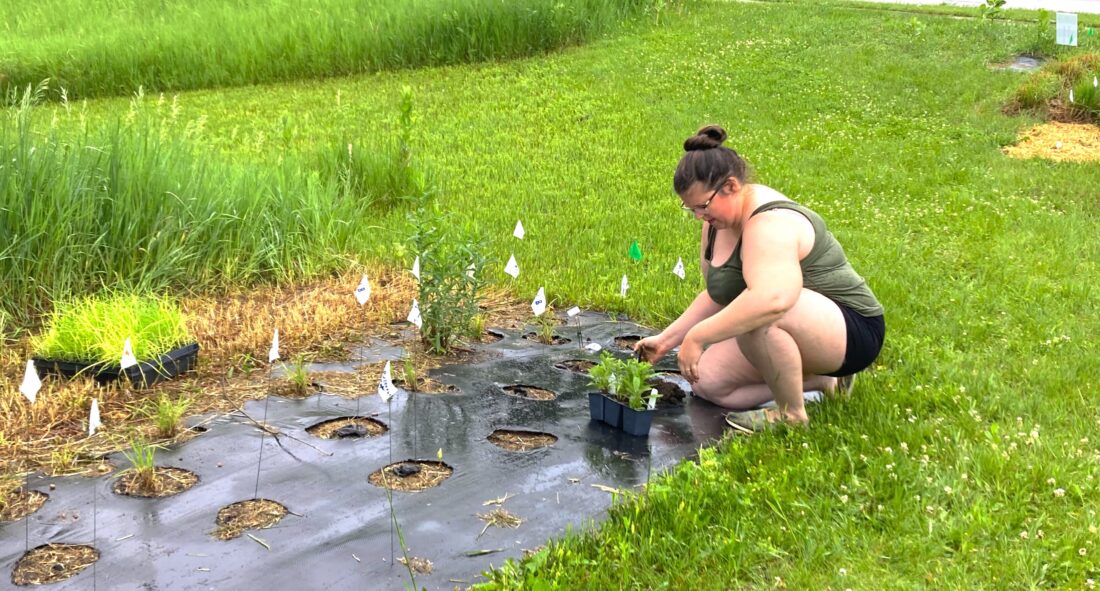
Megan Hood transferring a plant into Pollinator Park
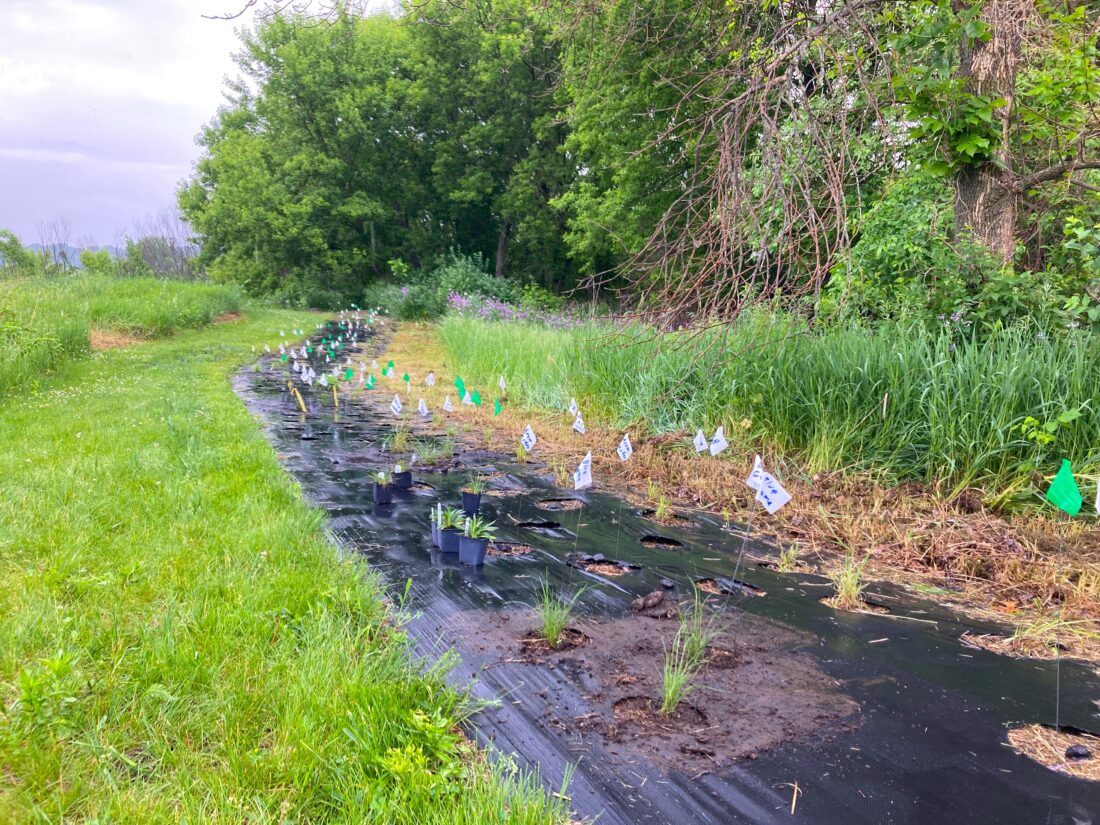
Labeled flags lined to designate planting locations
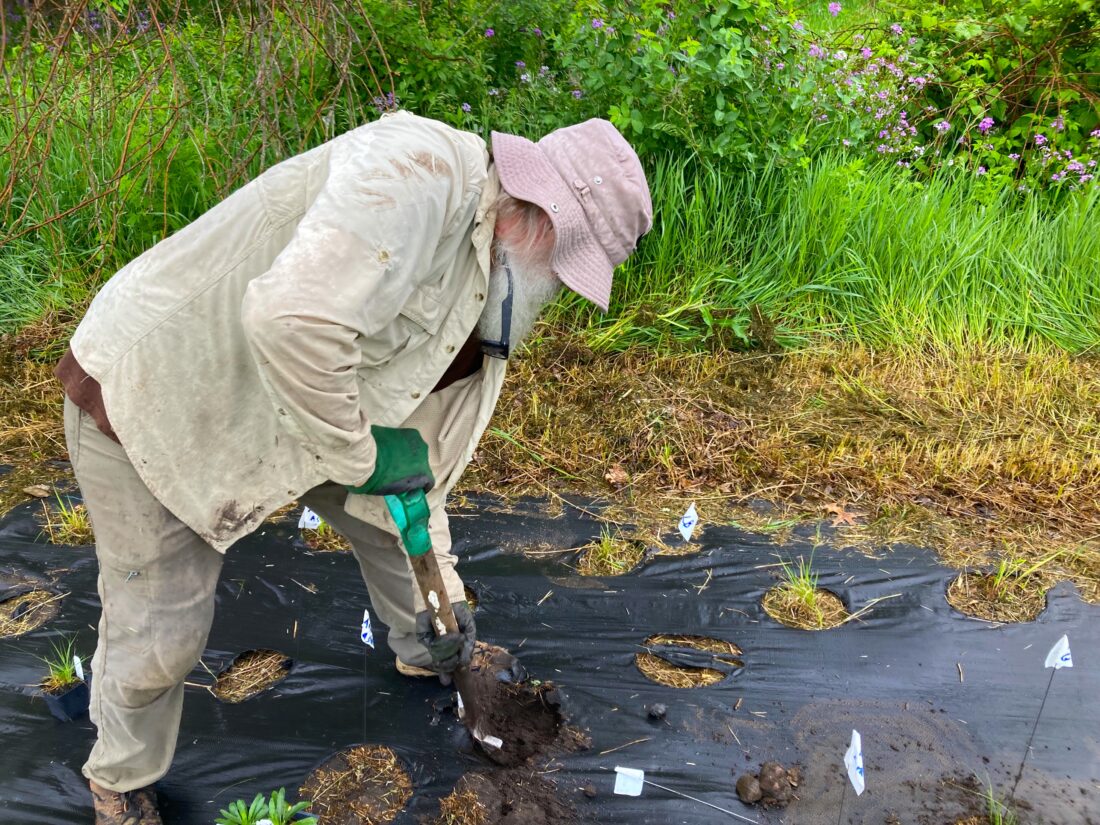
Joe Gartner digging a space for a plant
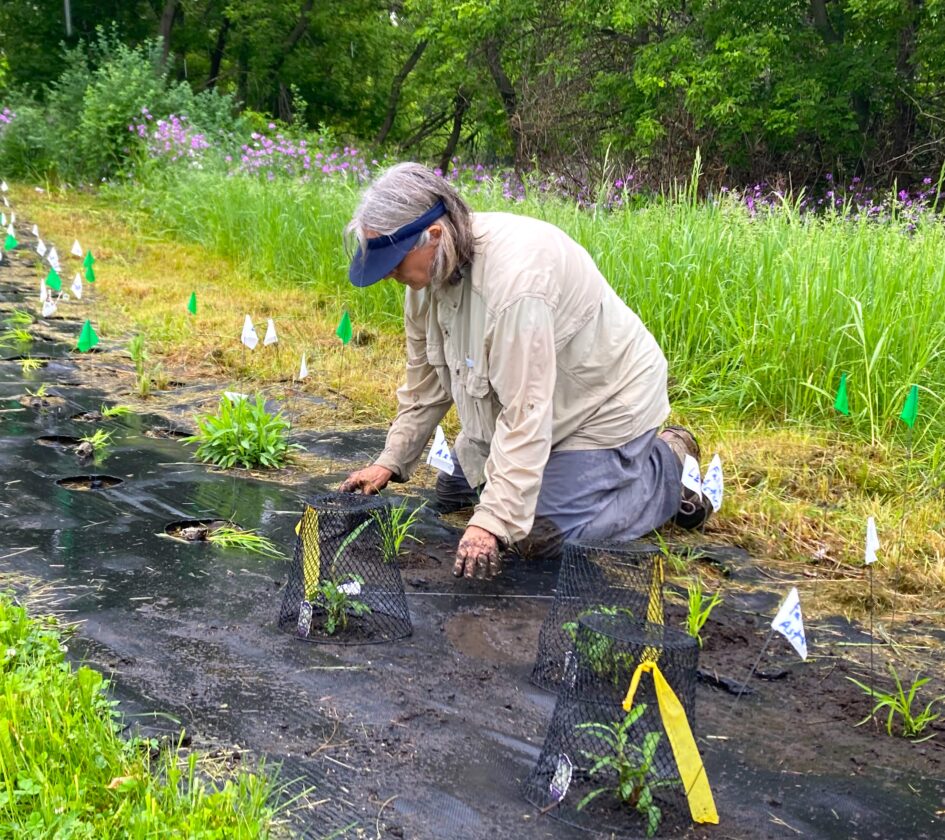
Julie Gartner packing in a plant
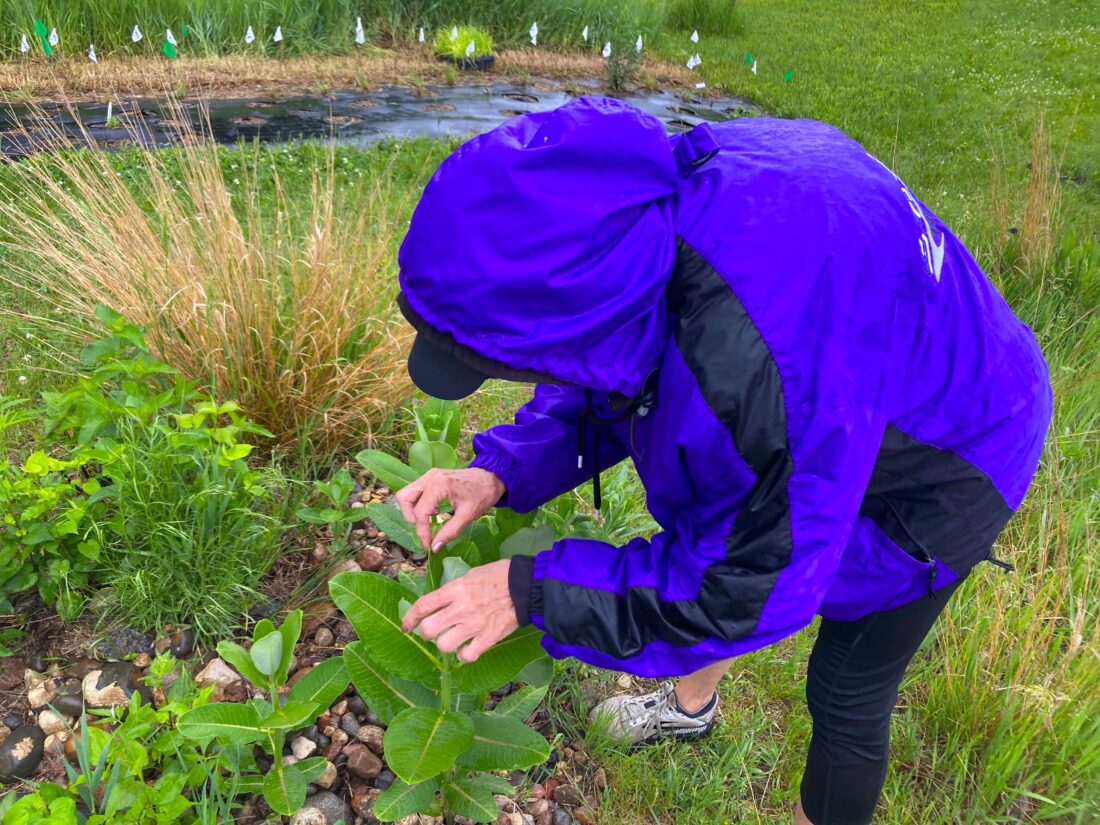
Deb Steinberg pointing out Monarch eggs
Megan Hood transferring a plant into Pollinator Park
Labeled flags lined to designate planting locations
Joe Gartner digging a space for a plant
Julie Gartner packing in a plant
Deb Steinberg pointing out Monarch eggs
Trending
New Ulm – Sunday's rain did not prevent the planting event at the New Ulm Pollinator Park.
Attendees welcomed the rain, and spent the day planting Little Bluestem and other native plants.
"The rain was great for the plants so they "[wouldn't] go into such shock," Deb Steinberg said.
Although Sunday's event was for planting, the park requires year round maintenance.
"It's a labor of love," Steinberg said, “there’s always weeding, trimming, mowing, planting new plants, gathering seeds in the fall."
People in attendance all share a love of nature, community, and giving.
"We invited members of the garden club and anybody who wants to help. This is what I think of as a community garden, but instead of a veggie garden it is a native plant garden," Joe Gartner said.
Megan Hood, a member of the New Ulm Garden Club, said, "I love the flowers, they're really pretty. And all the insects."
The park brings a wide range of people.
"We had a fourth grade from St. James that came for a little while, ” Gartner said.
Gartner, a retired science teacher who has been active with the Pollinator Park since 2016, talked about future plans for Pollinator Park.
"We plan to plant big Bluestem and Indian grass [around the perimeters]. It won't look like much this year, but next year and following years it's going to look wonderful," Gartner said.
Pollinator Park's mission is to provide a community space where native plants can thrive.
"What we're trying to do is bring some of the native plants back. They've lived here for thousands of years and if we can give them a chance they can do quite well," Gartner said.
Garner said that Pollinator Park resides on an old landfill, with rocks, black top, and other discarded waste remaining a few inches below. The location is effective because prairie plants are good at navigating through debris to get roots into the ground and find moisture.
The park prioritizes assisting and educating people on Monarch Butterflies.
"The number one priority is to make people aware of the Monarch Butterfly and to provide food for their larva." Gartner said.
Steinberg pointed out Monarch eggs, which look like small white specs on Milkweed leaves.
Monarch larvae only consume milkweed, so the plant's survival is essential to the survival of the Monarch population.
It is important for pollinator plants to also have a presence outside of spaces like Pollinator Park.
"We give away seeds to people if they want to start their own pollinator park. We're trying to give back to the community and help them start their own pollinator gardens," Steinberg said.
Pollinator Park is hosting a plant giveaway event on Wednesday, June 3 for anyone interested in starting their own garden.